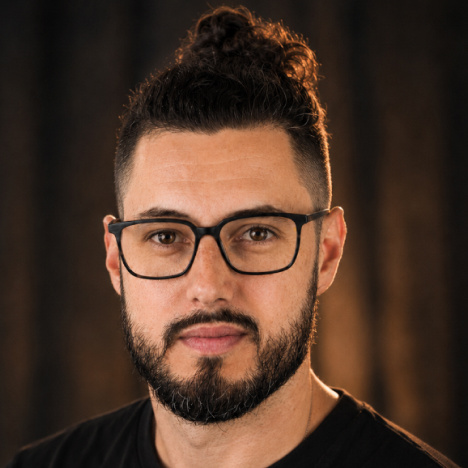
I design products and the systems behind them, from interface details to organisational strategy.
With over six years across FanDuel, News UK, and Nutmeg, I work where product design and design infrastructure meet. I’ve come to think the two are the same practice viewed from different altitudes.
I came to design through computer science rather than the other way around. My path moved through creative marketing and art direction before landing in digital products, so I bring visual craft, systems logic, and engineering fluency to the same problem.
I was born in Argentina, raised in Brazil, and now live in the UK. Spanish, Portuguese, English... sometimes all three in the same week. This cultural mix shapes how I work with distributed teams and how I communicate across disciplines.
My career
Today I lead the Formation Design System at FanDuel, splitting my time between hands-on design and system leadership. That means shaping strategy and governance, but also working inside product squads, raising the quality bar through the work I produce, and shipping things people actually use.
Before that, at News UK, I helped build NewsKit, one of the more recognised multi-brand design systems in UK media, and designed account, subscription and notification settings that worked across every news brand. At Nutmeg, I was the dedicated mobile designer. I led the research, user testing and prototyping for new user onboarding, took new investment journeys from concept to launch, and laid the foundations for dark mode across iOS and Android.
Before any of that, I spent years in print and agency work, delivering to clients’ taste on tight deadlines. Product design was the first time the work felt like it was solving real problems for someone.
How I work
I do my best work where design meets engineering, and where a system meets the product teams using it. That’s where design systems succeed or fail.
I’ve worked in a central design system team, I’ve been embedded in product squads, and at FanDuel I designed the hybrid model between the two. Central works when the foundations are still moving. Embedding works when adoption is the problem. I pick the model to fit the problem, not the other way round.
From the central side, I’ve also helped shape architectural decisions in partnership with Engineering so design had a say.
How I lead
I lead by example. The person in front sets the standard, not the rulebook.
That lesson predates my design career, and it turned out to be just as true in product organisations. I spent years captaining American football teams. I was first at training and last to pick up the cones, and my old coach still calls me captain.
I’ve managed a team, and I still lead best from inside the work, making things next to the people I’m helping grow. I give people space, support them when they’re stuck, and fight for them when it matters.
I care deeply about design quality, and I try to raise the bar around me through critiques, onboarding, and the small everyday conversations that shape expectations.
What I’m most proud of professionally has nothing to do with components. It’s the people I’ve helped along the way, with career advice, through a hard week, or with an introduction to the right person.
Thinking forwards
My work is being shaped by one idea: AI-native design systems as infrastructure.
That means design systems that serve people and machines. Structured metadata AI tools can read, MCP so they can work with the system directly, and documentation written for LLMs as well as humans. It also means creating prototyping integrations that don’t turn into a maintenance job.
Design systems that will succeed over the next years won’t just organise components The goal is design intent that survives the trip between teams, tools and agents, instead of getting a little worse at every handover.